

This article provides detailed examples of letters requesting roof repairs or replacements from landlords. These examples illustrate effective communication strategies for tenants facing roof issues, emphasizing the necessity of clear, concise, and documented correspondence. The examples highlight the importance of outlining specific problems, providing photographic evidence where possible, and referencing relevant lease agreements or local housing codes. Furthermore, the article explores the benefits of maintaining a professional tone while firmly advocating for necessary repairs, ultimately aiming to ensure a safe and habitable living environment. The focus remains on creating a record of communication that safeguards the tenant’s rights and encourages prompt action from the landlord. By understanding these sample letters and the underlying principles, tenants can confidently navigate the process of requesting crucial roof repairs or replacement, ultimately contributing to a better living experience.
Sample Letter 1: Addressing Minor Roof Leaks

Describing the Problem

A well-written letter begins with a clear and concise description of the problem. Avoid vague language; instead, specify the location of the leak(s), the extent of the damage (e.g., minor water stains, dripping water, significant water damage), and when the problem was first noticed. Providing specific dates strengthens the letter and helps establish a timeline of events. For example, “On October 26th, 2024, a leak was observed in the master bedroom ceiling, directly above the built-in closet. A small water stain, approximately 6 inches in diameter, is now visible.” This level of detail demonstrates attention to detail and professionalism.
Providing Supporting Evidence
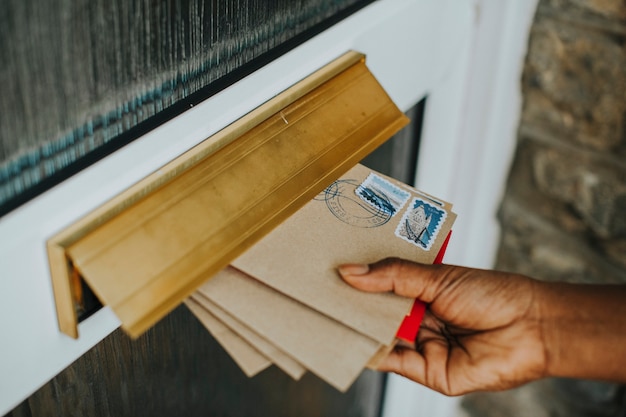
Where possible, include supporting evidence. Photographs or videos of the damage significantly enhance the letter’s impact. These visuals provide undeniable proof of the problem’s existence and severity. If there are previous attempts to remedy the issue, include documentation of those attempts, such as emails or maintenance requests. This demonstrates proactive efforts to resolve the issue before escalating the matter. For instance, “Attached are photographs showing the water stain and the minor damage to the ceiling paint. A previous maintenance request (reference number #12345) was submitted on November 5th, 2024, with no resolution.”
Stating the Desired Outcome

Clearly state the desired outcome. Request a prompt inspection of the damage and the necessary repairs. Mention the relevant sections of the lease agreement that address the landlord’s responsibility for roof maintenance. For example, “We respectfully request an immediate inspection of the aforementioned leak and subsequent repairs to prevent further water damage to the property. Clause 7.2 of our lease agreement stipulates that the landlord is responsible for maintaining the roof in a safe and watertight condition.” The clarity of the desired outcome streamlines the communication process.
Maintaining Professionalism
Maintain a respectful and professional tone throughout the letter. While the issue needs addressing, avoid accusatory or aggressive language. Focus on the facts and the desired outcome. This approach encourages a cooperative response. Using phrases such as “We respectfully request,” “We would appreciate,” and “Thank you for your prompt attention to this matter” foster positive communication. A professional tone shows you value a positive resolution and fosters mutual respect.
Contact Information and Closing
Include your full name, apartment number, contact information (phone number and email address), and a date. A formal closing, such as “Sincerely” or “Respectfully,” maintains a professional appearance. This crucial step facilitates effective communication, and ensures the landlord has all necessary information for contacting you. Remember to keep a copy of the letter for your records.
Read Also: Request for Garbage Disposal Service – Letter Sample
Sample Letter 2: Requesting a Complete Roof Replacement
Documenting Extensive Damage
When dealing with extensive roof damage requiring a complete replacement, the letter should comprehensively document the issue. Detail all observed damage, including areas affected, the type of damage (e.g., missing shingles, significant structural damage, widespread leaks), and the overall impact on the property’s habitability. Detailed descriptions are necessary. For example, “Significant portions of the roof are missing shingles, exposing the underlayment to the elements. This has resulted in widespread water damage throughout the attic and several rooms within the apartment.”
Highlighting Safety Concerns
If the roof damage poses a safety risk, highlight these concerns explicitly. Mention any potential hazards, such as falling debris or structural instability. Emphasize the urgency of the situation. Examples include, “The damaged sections of the roof pose a significant safety hazard, with the potential for falling debris. The compromised roof structure also raises concerns about the overall structural integrity of the building.” Safety concerns are a major priority that demand immediate action from the landlord.
Referencing Local Building Codes
Referencing applicable local building codes or housing regulations strengthens your position. State that the current condition of the roof violates these regulations, highlighting the landlord’s legal obligation to address the issue. This provides a stronger legal foundation for your request. For example, “The current condition of the roof violates Section 12.3 of the city’s building code, which mandates the maintenance of a structurally sound and weatherproof roof. This violation impacts the habitability of the property.” Understanding local laws empowers you in this situation.
Proposing a Solution
While requesting a complete roof replacement, propose a reasonable solution. This could involve suggesting a specific timeframe for the replacement, or proposing a contractor if you’re comfortable doing so. This demonstrates proactive engagement. For example, “We propose that a complete roof replacement be conducted within 30 days to mitigate the safety risks and ensure compliance with building codes. Alternatively, we suggest contacting XYZ Roofing, a reputable local contractor, for a quote.” Proposing solutions showcases initiative.
Legal Recourse if Necessary
Subtly mention the possibility of legal action if the landlord fails to address the issue. This does not have to be threatening, but simply a statement of your intention to protect your rights. For example, “We trust that this matter will be addressed promptly. Should we not receive a satisfactory response and plan of action within a reasonable timeframe, we will explore all available legal remedies to ensure the safety and habitability of our dwelling.” This serves as a reminder of potential consequences.
Sample Letter 3: Following Up on a Previous Request
Reviewing Previous Communication
When following up on a previous request, begin by clearly referencing the initial letter. Include the date of the original letter, the subject matter, and any relevant reference numbers. This ensures clarity and efficiency. For example, “This letter serves as a follow-up to our previous correspondence dated November 15th, 2024, concerning a leak in the bathroom ceiling (reference number #67890).” This shows you’re keeping a record and are serious about the resolution.
Summarizing the Current Situation
Summarize the current situation and the lack of progress made since the original communication. Maintain a professional tone. For instance, “Despite our previous communication, the leak in the bathroom ceiling remains unaddressed. The water stain has significantly increased in size, and we now observe signs of mold growth.” Being concise and to the point avoids unnecessary details. This emphasizes the ongoing nature of the problem.
Reiterating the Desired Outcome
Reiterate the desired outcome and propose a reasonable timeframe for action. Consider setting a deadline for a response. For example, “We respectfully request that the necessary repairs to the bathroom ceiling be undertaken within seven days. We would appreciate a confirmation of receipt of this letter and a plan of action within 48 hours.” Setting a deadline adds weight to your request.
Considering Alternative Solutions
Consider mentioning alternative solutions, such as temporarily mitigating the problem or finding a qualified contractor if the landlord is unresponsive. These measures protect your interests. For example, “To prevent further water damage, we have purchased a temporary waterproof cover to protect the area from additional leaks. However, this is only a temporary solution, and permanent repairs remain crucial. If a response is not received within 48 hours, we will begin seeking quotes from local contractors to perform the necessary repairs.” This suggests you’re actively protecting your property.
Documenting All Communication
Keep meticulous records of all communication, including copies of letters, emails, phone calls, and any other forms of contact. This creates a comprehensive record of your efforts to resolve the issue. This record is crucial if legal action becomes necessary.
The Benefits of Effective Communication
These sample letters demonstrate that effective communication with a landlord regarding roof repairs is essential for maintaining a safe and habitable living environment. Clearly outlining the problem, providing supporting evidence, and maintaining a professional tone significantly increases the chances of a prompt and satisfactory resolution. Moreover, documenting all communication safeguards the tenant’s rights and provides a strong record in case further action is required. Clear and concise communication avoids misunderstandings and fosters cooperation. Proactive engagement shows the landlord you are invested in resolving the issue efficiently.
Conclusion
Addressing roof issues requires proactive communication. By following the examples provided, tenants can confidently approach their landlords with well-structured, informative letters that clearly communicate the problem, its urgency, and the desired outcome. Maintaining a professional yet firm stance is crucial in securing necessary repairs or replacements, contributing to a safe and comfortable living space. Remember, detailed documentation of all correspondence safeguards your rights and enhances the possibility of a positive resolution. Thorough record-keeping is essential.
Encourage Questions
Do you have questions about how to best communicate with your landlord about roof repairs? Are there specific situations not covered in these examples that you would like clarification on? We encourage you to ask your questions; further discussion can provide a deeper understanding of your rights and responsibilities. Understanding your rights is crucial for successful communication with your landlord.

