

This guide explores the process of composing a compelling letter of complaint regarding inadequate in-flight entertainment. It provides a structured approach to articulating dissatisfaction, highlighting the importance of clear communication and factual detail in achieving a satisfactory resolution. The guide emphasizes the impact of poor in-flight entertainment on the passenger experience, offering strategies for conveying this impact effectively. It also addresses potential responses from the airline and suggests steps to take following the initial complaint.
Understanding the Importance of In-Flight Entertainment

The Passenger Experience and Brand Perception

In-flight entertainment (IFE) plays a crucial role in shaping the overall passenger experience. For long-haul flights, especially, a well-functioning and engaging IFE system is essential for passenger comfort and satisfaction. A negative experience with IFE can significantly detract from the journey, potentially impacting an airline’s reputation and brand perception. Passengers expect a certain level of quality and functionality, and failure to meet these expectations can lead to dissatisfaction and negative reviews. This, in turn, can affect future bookings and damage the airline’s image in the competitive aviation market.
Economic Implications of Poor IFE

The economic implications of subpar IFE should not be overlooked. Airlines invest significantly in IFE systems, and malfunctions or poor content can result in wasted expenditure. More importantly, negative passenger experiences directly affect profitability. Dissatisfied passengers are less likely to choose the same airline for future trips, leading to lost revenue. Furthermore, negative word-of-mouth and online reviews can significantly harm an airline’s revenue streams. A robust and reliable IFE system, therefore, is not merely a comfort feature but a crucial aspect of the airline’s business model.
Regulatory Considerations and Safety Aspects
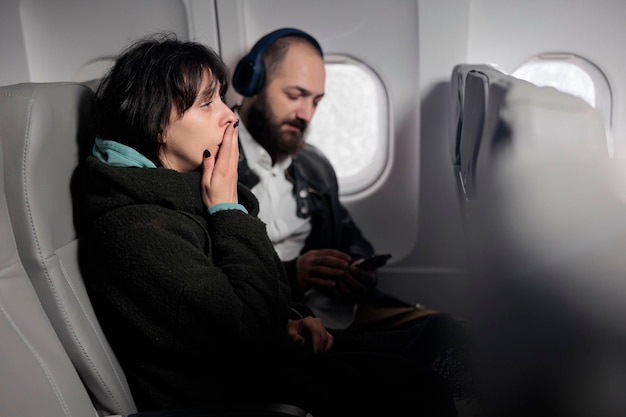
While primarily focused on passenger comfort, IFE also has regulatory considerations and safety aspects. Malfunctioning equipment or inappropriate content can lead to safety concerns and regulatory scrutiny. Airlines must adhere to safety regulations concerning the operation and maintenance of IFE systems. Compliance is crucial for maintaining operational permits and avoiding penalties. The content shown on IFE systems should also be appropriate and compliant with relevant regulations to avoid potential legal issues or reputational damage.
Crafting an Effective Complaint Letter
Structuring Your Complaint
A well-structured complaint letter significantly increases the chances of a favorable outcome. Begin with a clear and concise introduction stating the purpose of the letter. Include your booking reference, flight number, and dates of travel. Subsequent paragraphs should detail specific instances of problems encountered with the IFE system. Provide specific examples, such as unresponsive touchscreens, malfunctioning headphones, or limited and outdated movie selections. Avoid vague statements and focus on verifiable facts.
Supporting Your Claims with Evidence
To strengthen your complaint, provide supporting evidence whenever possible. If you took photos or videos documenting the IFE malfunction, include them as attachments. If you spoke with cabin crew about the issue, mention the details of the conversation, including the crew member’s name if possible. The more concrete evidence you provide, the stronger your case will be. Remember to maintain a professional and respectful tone throughout the letter.
Read Also: Airline Seat Preference Request Letter – Letter Sample
Describing the Impact of the IFE Issues
Beyond simply listing technical problems, explain how the IFE issues affected your overall flight experience. Did the lack of working entertainment significantly impact your comfort and enjoyment of the flight, especially on a long-haul journey? Did the poor quality of the available content contribute to a negative experience? Clearly articulate the impact on your comfort and overall satisfaction. This is crucial in demonstrating the severity of the problem.
Articulating Your Desired Resolution
Conclude the letter by clearly stating your desired resolution. This could include a partial refund, compensation for the inconvenience, or a promise of improved IFE services in the future. Be realistic in your expectations and base your request on the severity of the problem. Avoid demanding excessive compensation, as this could damage your credibility. A well-reasoned and politely worded request for resolution is more likely to be successful.
Following Up on Your Complaint
Tracking Your Complaint
After sending your letter, keep a copy for your records. Note the date you sent it and the method of delivery (e.g., email, postal mail). Follow up after a reasonable period (e.g., two weeks) if you have not received a response. A polite follow-up email or phone call is acceptable. This demonstrates your continued interest in resolving the issue. Maintain a professional and courteous tone in all communications.
Escalating the Complaint
If your initial complaint remains unresolved, you may need to escalate the matter. This could involve contacting a higher-level manager within the airline or contacting a consumer protection agency in your country or region. Many countries have consumer protection agencies specifically designed to assist with complaints against businesses, including airlines. Research the appropriate agency and follow their guidelines for filing a complaint.
Considering Alternative Dispute Resolution
In some cases, alternative dispute resolution (ADR) methods such as mediation or arbitration might be an option. ADR can be a less adversarial way to resolve disputes, often resulting in a faster and more efficient resolution than pursuing legal action. Explore ADR options if direct communication with the airline proves unproductive.
The Importance of Professionalism and Tone
Maintaining a Professional Approach
Regardless of how frustrating your experience was, maintaining a professional and courteous tone in your communication is essential. Avoid using inflammatory language or personal attacks. Focus on objectively describing the problems encountered and articulating your desired resolution. A polite and well-reasoned approach is far more likely to produce a positive result than an aggressive or emotional one. A professional tone demonstrates maturity and strengthens your credibility.
Addressing the Airline Directly
Directly addressing your complaint to the airline’s customer service department is typically the most effective first step. Most airlines have well-established complaint procedures in place, and addressing your concern through their official channels ensures a proper response. Avoid posting your complaint publicly on social media before attempting to resolve it directly with the airline. Publicly shaming the airline rarely leads to a productive resolution and can damage your own credibility.
Potential Airline Responses and Further Actions
Understanding Potential Responses
Airlines may respond to your complaint in several ways. They might offer a partial refund, compensation, or an apology for the inconvenience. They might also investigate the reported issues and promise improvements to their IFE system. In some cases, they might simply acknowledge your complaint and offer a standard response without any concrete action. Be prepared for a range of responses and have a clear strategy for your next steps depending on the outcome.
Responding to Unsatisfactory Responses
If the airline’s response is unsatisfactory, you should outline your next steps. Consider whether a further follow-up is warranted or if you need to escalate the complaint to a higher authority. Carefully review the airline’s response and identify specific points of disagreement. Clearly and concisely articulate why you find their response unsatisfactory, referring back to the evidence and impact you outlined in your initial complaint. Document all communications to create a comprehensive record of your efforts to resolve the issue.
Considering Legal Action
In some cases, if all other avenues have been exhausted, legal action might be a last resort. This is typically a complex and costly process, and you should carefully weigh the potential benefits and drawbacks before pursuing this route. Seek advice from a legal professional specializing in consumer rights or aviation law to determine the viability of legal action based on your specific circumstances.
Conclusion
Composing a well-crafted complaint letter regarding in-flight entertainment requires a clear understanding of the importance of IFE in the overall passenger experience. By following the steps outlined in this guide, passengers can effectively communicate their dissatisfaction, increase the chances of a favorable resolution, and contribute to the improvement of IFE services across the industry. Remember that maintaining a professional tone, providing concrete evidence, and clearly articulating your desired resolution are essential for achieving a successful outcome.
Do you have any questions about drafting an effective complaint letter or resolving issues with in-flight entertainment? Please feel free to ask!

