

Air travel disruptions, encompassing cancellations, significant delays, and overbooking, frequently lead to passenger dissatisfaction and disputes regarding compensation. This exploration delves into the complexities of these disputes, examining the legal frameworks governing passenger rights, the common causes of friction between airlines and passengers, and effective strategies for resolving such disagreements. Understanding these dynamics is crucial for both airlines striving for improved customer relations and passengers seeking fair recompense for disrupted travel plans. The process, while often frustrating, offers significant opportunities for improvement in transparency, accountability, and overall passenger experience.
The Legal Landscape of Air Passenger Rights
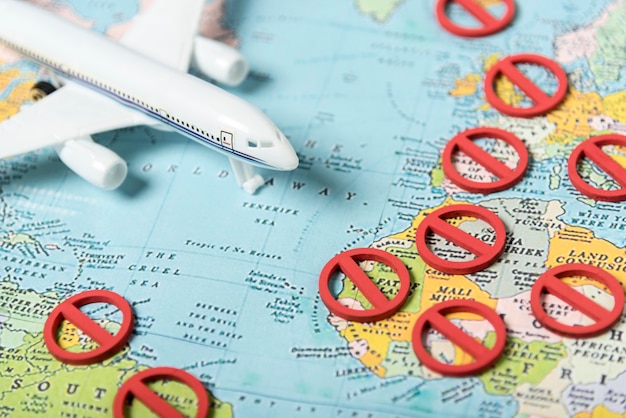
International Regulations: Shaping Passenger Protections

A patchwork of international and national regulations governs air passenger rights. The Montreal Convention of 1999, a widely ratified international treaty, serves as a cornerstone, establishing a framework for airline liability in cases of death, injury, or baggage loss or damage. Crucially, it also addresses delays and cancellations, setting parameters for compensation. However, the Convention’s application and interpretation can vary across jurisdictions, leading to complexities in determining the exact amount of compensation due. Specific rules regarding delay compensation often depend on the length of the delay and whether it was within the airline’s control.
European Union Regulations: A Higher Standard?

The European Union’s Regulation (EC) No 261/2004 provides a more stringent framework for passengers departing from EU airports or traveling on EU-registered airlines within the EU. This regulation specifies higher compensation amounts for flight cancellations and significant delays, irrespective of whether the disruption was within the airline’s control (with certain exceptions such as extraordinary circumstances). This legislation has significantly influenced passenger expectations and led to more robust legal recourse for affected travelers. However, even within the EU, enforcement and interpretation can vary.
National Laws: Filling the Gaps

Many countries also have national laws that supplement international conventions and EU regulations. These national laws often address specific aspects of air passenger rights, such as provisions concerning baggage handling, passenger assistance, and dispute resolution mechanisms. It is essential to understand the applicable legal framework based on the specific flight itinerary, departure and arrival points, and the airline’s registration. Navigating the differences between international, EU, and national regulations can be challenging for both passengers and airlines.
Common Causes of Airline Compensation Disputes
Flight Cancellations and Delays: A Major Source of Conflict
Flight cancellations and significant delays are primary drivers of passenger dissatisfaction and compensation claims. Airlines often cite “extraordinary circumstances,” such as severe weather, air traffic control restrictions, or security threats, to avoid paying compensation. However, the precise definition of “extraordinary circumstances” is subject to ongoing legal interpretation and dispute. Passengers may disagree with an airline’s assessment of whether a particular disruption qualifies under this exception, leading to protracted disagreements. Establishing clear evidence of the cause and the airline’s responsibility becomes crucial in these situations.
Overbooking: A Recurring Issue
Overbooking, a practice where airlines sell more tickets than available seats, is another common source of friction. While airlines may argue that overbooking is a necessary practice to mitigate no-shows, it leads to passengers being denied boarding involuntarily. Compensation regulations often mandate specific payments to passengers denied boarding due to overbooking. Passengers are entitled to compensation and alternative arrangements in these situations. However, the procedures for determining eligibility and calculating compensation can be complex and contested.
Read Also: Get Airline Flight Schedules: Request Letter – Letter Sample
Baggage Handling Problems: Lost, Damaged, or Delayed Luggage
Baggage handling issues, including lost, damaged, or delayed luggage, are frequent sources of complaints. While airlines generally have established procedures for handling such situations, discrepancies often arise concerning the valuation of lost or damaged items and the compensation offered. Passengers often find the claims process cumbersome and time-consuming. Establishing clear documentation of the baggage’s condition at the time of check-in and obtaining adequate proof of loss or damage are vital steps for successful claims.
Effective Strategies for Resolving Disputes
Formal Complaint Procedures: The First Step
Many airlines have established internal complaint procedures. Following these procedures is generally the initial step in resolving disputes. This often involves submitting a written complaint, providing detailed information about the flight disruption, and supporting documentation. Responding promptly and professionally to passenger complaints is essential for airlines to maintain customer satisfaction and avoid escalation. Airlines that handle complaints efficiently and fairly are more likely to cultivate customer loyalty.
Alternative Dispute Resolution (ADR): Mediation and Arbitration
Alternative Dispute Resolution (ADR) mechanisms, such as mediation and arbitration, can offer an efficient and cost-effective way to resolve disputes outside of the court system. Mediation involves a neutral third party facilitating discussions between the passenger and the airline to reach a mutually acceptable agreement. Arbitration involves a neutral third party making a binding decision. Many airlines participate in ADR programs, and utilizing such programs can often expedite the resolution process.
Legal Action: Pursuing Claims Through Courts
If internal complaint procedures and ADR fail to resolve the dispute, passengers may consider pursuing legal action. This may involve filing a lawsuit against the airline in a relevant court of jurisdiction. However, legal action can be costly and time-consuming. Careful consideration of the potential costs and benefits is crucial before pursuing this avenue. Seeking legal advice from an experienced aviation lawyer is recommended.
The Importance of Fair Compensation Handling
Protecting Consumer Rights and Promoting Fair Practices
Effective handling of airline flight compensation disputes is crucial for protecting consumer rights and promoting fair practices within the aviation industry. When airlines consistently fail to provide adequate compensation for disrupted travel, it undermines passenger trust and confidence. Conversely, a demonstrably fair and efficient compensation process enhances the airline’s reputation and builds customer loyalty. Fair compensation helps to balance the power dynamic between airlines and passengers, promoting accountability and transparency.
Improving Transparency and Accountability
Transparent and accessible information regarding passenger rights and compensation procedures are essential. Airlines should proactively provide clear and concise information on their websites and during the booking process. This transparency empowers passengers to understand their rights and enables them to make informed decisions. Improving the accessibility of information contributes to a more equitable and just system. Clear communication helps alleviate frustration and reduces the likelihood of disputes.
Enhancing the Passenger Experience
Positive resolution of compensation disputes contributes significantly to enhancing the overall passenger experience. When passengers feel that their rights are respected and that their concerns are addressed fairly, they are more likely to have a positive perception of the airline and be more inclined to fly with them again. Investing in efficient and equitable compensation procedures improves customer satisfaction and builds brand reputation. This positive feedback loop benefits both the passengers and the airlines.
Conclusion: The Path Forward
Resolving disputes related to airline flight compensation demands a multi-faceted approach. It requires a clear understanding of applicable legal frameworks, proactive complaint procedures within airlines, and accessible alternative dispute resolution mechanisms. Furthermore, promoting transparency, accountability, and fair compensation processes are crucial for fostering trust and improving the overall passenger experience. By prioritizing these elements, the aviation industry can strive towards a more equitable and efficient system for handling compensation disputes.
Ultimately, a streamlined and transparent system benefits both airlines and passengers. Efficient dispute resolution minimizes legal costs for airlines, reduces negative publicity, and fosters customer loyalty. For passengers, fair compensation acknowledges the disruption to their travel plans and promotes confidence in the air travel system.
Effective communication and readily accessible information are vital in addressing passenger concerns and preventing disputes from escalating. This includes clear explanations of airline policies and procedures, readily available contact information, and readily accessible complaint forms.
The aim should be to create a system where passengers feel heard and fairly treated. This fosters a positive environment for the entire aviation industry.
Establishing clear guidelines and consistent application of regulations is paramount. This reduces ambiguity and ensures fairness for all parties involved.
Transparency, accessibility, and fairness are the cornerstones of a successful compensation system.
Encourage Questions
This exploration provides a foundational understanding of the complexities surrounding airline flight compensation. However, numerous nuanced questions and individual circumstances remain. Feel free to pose any questions you may have concerning specific legal interpretations, practical strategies for pursuing compensation, or the overall improvement of dispute resolution processes within the aviation industry. We encourage a dialogue aimed at increasing clarity and facilitating fairer outcomes for air travelers.

