

A formal request for graffiti removal is a crucial document aiming to initiate the process of cleaning up defaced property. This letter serves as a record of the issue, outlines the location and extent of the damage, and formally requests action from the responsible party—whether it’s a property owner, a local council, or a private company. The effectiveness of the request hinges on clear communication, detailed information, and a professional tone. This guide provides a detailed explanation of the key elements that constitute a successful and impactful request, emphasizing its benefits and offering practical advice for crafting such a document.
Essential Components of a Successful Graffiti Removal Request

Providing Clear Identification of the Affected Property

The request must pinpoint the exact location of the graffiti. Ambiguity can lead to delays and inefficiencies. This section should include the full address of the property, including building number, street name, and any relevant postal codes or geographical markers. A precise description, such as “the north-facing wall of the building,” helps locate the problem quickly. Including a photograph of the graffiti is highly beneficial, providing visual evidence of the damage and its severity. The photograph should be high-resolution and clearly show the extent of the vandalism. For large properties or complexes, a specific plot or section identifier might also prove useful. Remember to mention if the affected area is private or public property, as this dictates the relevant authority to contact. Accurate location details are critical for efficient response.
Detailed Description of the Graffiti and Its Extent

This section requires a comprehensive description of the graffiti itself. Note its size, color, and any distinguishing characteristics. Specify whether it’s painted, etched, or otherwise applied. Estimate the affected area – use measurements like square feet or meters to quantify the damage. Detailing the specific words or images present (without reproducing them verbatim) is also relevant, especially if they are offensive or discriminatory. This level of detail allows for proper assessment of the removal process. Providing precise measurements aids in resource allocation for the removal operation.
Identifying the Responsible Party for Removal
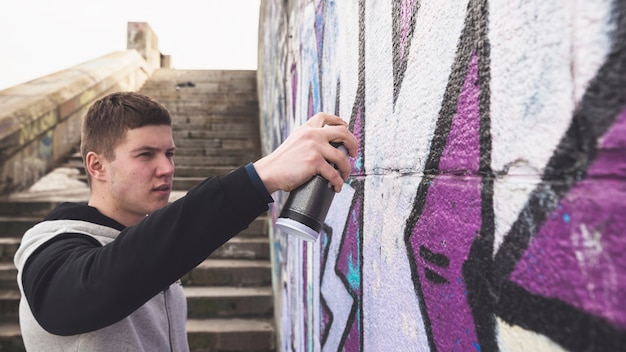
This section requires careful consideration. Determine who is legally responsible for removing the graffiti. If it’s on private property, the owner is typically responsible. If it’s on public property, the relevant municipality, council, or local authority will handle it. Identifying the correct responsible party prevents delays and ensures the request reaches the appropriate individual or department. In some instances, private businesses might be responsible depending on the property location. Clearly identifying the responsible entity is crucial for prompt action. Including contact details of individuals or departments within the responsible organization can accelerate the process significantly.
Providing Contact Information for Timely Communication
Your request should include your contact information so the recipient can easily reach you. This should include your full name, postal address, telephone number, and email address. Ensuring that the information provided is current and readily available avoids delays caused by failed communication. Providing complete and accurate contact information guarantees prompt feedback and allows for effective follow-up.
Stating Your Request and Desired Timeline
Clearly state the purpose of the letter: to formally request the removal of the graffiti. Specify the desired timeframe for removal, making it realistic and considering the typical processing times of the recipient organization. Being overly demanding is counterproductive; a reasonable and achievable timeline increases the chances of a positive response. A reasonable timeline demonstrates understanding and professionalism. Explaining the urgency (if any) of the removal, like the proximity to a public event or the negative impact on business, can also be included.
Read Also: Public Park Renovation Request Letter – Letter Sample
The Importance of a Well-Crafted Request Letter
Preventing Further Vandalism and Maintaining Property Value
Prompt removal of graffiti sends a strong message that vandalism will not be tolerated. This acts as a deterrent against future incidents, protecting the property and its surroundings. Leaving graffiti untouched can invite further vandalism and contribute to a decline in the area’s aesthetic appeal. Swift action preserves property values and maintains a safe and attractive environment. The cost of removal is significantly lower than the potential cost of widespread and continued damage.
Maintaining Public Safety and Order
Graffiti can sometimes contain offensive, hateful, or discriminatory messaging. Immediate removal prevents the normalization or spread of such harmful content. In some cases, graffiti can be associated with gang activity or other criminal behavior; prompt removal contributes to improved public safety and order. Removing offensive graffiti is vital for maintaining a welcoming environment.
Enhancing the Community’s Aesthetic Appeal
Graffiti can blight the visual landscape, reducing the attractiveness of a neighborhood or area. Removing it improves the overall aesthetic appeal, enhancing the community’s image and potentially boosting property values. A clean and well-maintained environment contributes to a positive community atmosphere. A clean environment fosters a sense of pride and community cohesion.
Protecting Business Reputation and Customer Perception
For businesses, graffiti can negatively impact their reputation and customer perception. A building marred by graffiti might give the impression of neglect or disorganization. Prompt removal protects the business’s image, ensures customer confidence, and fosters a professional appearance. A clean and well-maintained business facade projects professionalism and trustworthiness.
Legal and Regulatory Compliance
In many jurisdictions, property owners have a legal obligation to maintain their properties in a reasonable state of repair. Failure to remove graffiti can lead to penalties or legal action. A formal request provides documentation of the issue and the steps taken to rectify it. Complying with local ordinances prevents legal repercussions and ensures compliance with regulations.
Crafting a Professional and Effective Request Letter
Using Formal and Respectful Language
Maintain a formal and respectful tone throughout the letter. Avoid slang, colloquialisms, or offensive language. Address the recipient appropriately (e.g., “Dear [Name],” or “To Whom It May Concern”). The letter’s professionalism reflects your seriousness and increases the chances of a favorable response. A professional tone enhances credibility and promotes positive communication.
Providing Supporting Documentation
Include any relevant supporting documentation, such as photographs of the graffiti, previous correspondence, or estimates for removal costs (if applicable). This evidence reinforces your request and provides a complete picture of the situation. Supporting evidence strengthens your case and helps expedite the process.
Following Up on the Request
After sending the letter, follow up after a reasonable time frame to check on the status of your request. This ensures the letter hasn’t been overlooked and demonstrates your commitment to resolving the issue. Maintain a professional demeanor during follow-up communication. Persistent but polite follow-up demonstrates your commitment to the issue.
Consider Alternative Resolution Methods
If the initial request is unsuccessful, consider alternative methods of resolution. This might include contacting a higher authority within the organization, seeking mediation, or exploring community clean-up initiatives. Exploring all available options ensures a thorough approach to problem-solving.
Understanding the Legal Framework
Familiarize yourself with any relevant local laws or regulations regarding graffiti removal. This understanding helps in crafting a more informed and effective request and ensures you are aware of your rights and obligations. Legal knowledge enables a more strategic and effective approach to graffiti removal. Consult with legal professionals if necessary for complex cases.
Conclusion: The Power of a Well-Written Request
A well-written request for graffiti removal is more than just a letter; it’s a proactive step toward maintaining property value, enhancing community aesthetics, and ensuring public safety. By following the guidelines outlined above, individuals and organizations can significantly increase the likelihood of a swift and successful resolution to this often-unpleasant problem. The importance of clear communication, detailed information, and a professional approach cannot be overstated. Remember that a polite, well-structured, and informative request fosters cooperation and accelerates the process of restoring the affected property to its previous condition.
Encourage Questions
Do you have any questions about crafting a successful graffiti removal request letter? We encourage you to contact us with any queries or concerns. We are happy to provide further guidance and support to ensure your request is comprehensive and effective. Your questions are invaluable in helping us improve this guide and provide more relevant information.
Understanding the specific regulations in your area is crucial for success. We recommend contacting your local council or relevant authorities for clarification on local procedures and requirements.
Remember, a proactive approach is key to effective graffiti management.
Detailed photographic evidence is invaluable in supporting your request for removal.
Keeping records of all correspondence is essential for future reference and to track progress.
Proactive graffiti removal contributes to a safer and more attractive community.

