

A business letterhead is a pre-printed heading at the top of business stationery, such as letter paper, envelopes, and sometimes even invoices. It serves as a visual representation of a company’s brand, instantly communicating professionalism, credibility, and key contact information. This comprehensive guide explores the multifaceted role of a business letterhead, examining its design elements, benefits, and best practices for effective implementation in modern business communications.
I. The Anatomy of a Business Letterhead: Essential Elements

A well-designed letterhead is more than just a pretty picture; it’s a strategic communication tool. Key components contribute to its effectiveness:
- Company Logo: The most prominent element, often placed at the top left or center. It should be a high-resolution version of the official company logo, ensuring clear visibility and brand recognition.
- Company Name: Clearly displayed, usually beneath the logo, using a font consistent with the brand identity. The font size should be easily legible.
- Company Address: Includes street address, city, state/province, postal code, and country. Accurate and up-to-date contact details are crucial for efficient communication.
- Contact Number(s): Include the main phone number and potentially a dedicated fax number, ensuring accessibility for different communication preferences.
- Email Address: A professional email address relevant to the company’s purpose. This should be easily recognizable and associated with the company brand.
- Website Address (URL): Including a website address allows recipients to learn more about the company’s products, services, and mission.
- Social Media Links (Optional): Adding links to relevant social media profiles can increase brand visibility and engagement, but should be used judiciously to avoid clutter.
- Registration Number/Tax ID (Optional): Depending on legal requirements or industry standards, the inclusion of relevant registration or tax identification numbers may be necessary.
II. Design Considerations: Crafting a Professional Impression
The visual appeal of a letterhead significantly impacts its effectiveness. Careful design choices enhance professionalism and reinforce brand identity:
A. Typography: Font Selection and Hierarchy

Choosing appropriate fonts is paramount. Legibility should be the primary concern. Avoid overly stylized or difficult-to-read fonts. A consistent font family across all elements maintains visual harmony. A clear font hierarchy, with larger fonts for the company name and smaller fonts for secondary information, ensures easy readability.
B. Color Palette: Brand Consistency and Visual Appeal

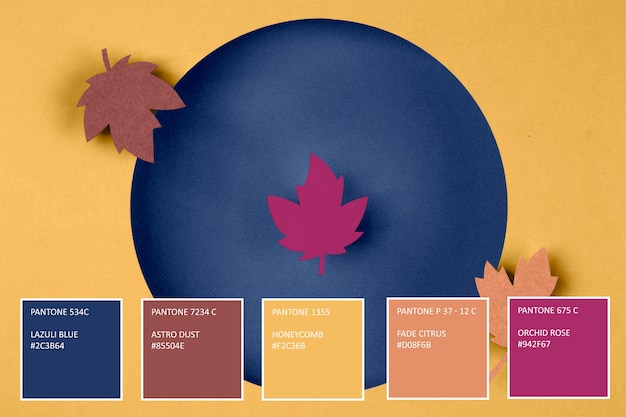
Color choices should align with the company’s branding guidelines. Using brand colors consistently on the letterhead reinforces brand recognition and creates a cohesive visual identity. The color selection should be professional, appropriate for the industry, and easily readable against the paper background.
C. Layout and Spacing: Cleanliness and Organization
A clean and organized layout is essential. Ensure sufficient white space to prevent the letterhead from appearing cluttered. Proper spacing between elements improves readability and enhances the overall aesthetic appeal. A well-balanced layout creates a sense of professionalism and sophistication.
D. Imagery (Optional): Subtlety and Brand Relevance
While a logo often suffices, some companies may incorporate subtle imagery. Images should be high-quality, relevant to the company’s brand, and not distracting. Overly ornate or busy images can detract from the overall professionalism of the letterhead.
III. The Importance of a Business Letterhead: Beyond Aesthetics
The benefits of a professionally designed letterhead extend far beyond mere aesthetics. It acts as a powerful tool in building brand recognition, establishing credibility, and facilitating efficient communication.
- Brand Identity Reinforcement: A consistent letterhead reinforces brand identity across all communications, creating a cohesive and professional image.
- Credibility and Professionalism: A well-designed letterhead instantly projects professionalism and instills confidence in the recipient, demonstrating attention to detail and commitment to quality.
- Enhanced Communication Efficiency: The readily available contact information on the letterhead streamlines communication, saving time and effort for both the sender and the recipient.
- First Impression Impact: A letterhead is often the first impression a company makes on a potential client or partner. It significantly influences the perception of the company’s image and professionalism.
- Marketing and Promotion: The letterhead can subtly promote the company’s brand and services with every communication, acting as a silent marketing tool.
- Legal and Regulatory Compliance: In some industries, including specific legal and financial sectors, letterheads might be legally required, containing essential registration or identification numbers.
IV. Best Practices for Implementing a Business Letterhead
To maximize the impact of a letterhead, careful implementation is crucial:
- High-Quality Printing: Use high-resolution printing on premium paper stock to enhance the visual appeal and perceived quality of the letterhead.
- Consistent Use: Maintain consistency across all business stationery, including letter paper, envelopes, and invoices.
- Regular Review and Updates: Periodically review the letterhead design to ensure it remains current and aligns with the company’s evolving brand identity and contact information. Outdated details damage credibility.
- Digital Adaptation: While traditional print remains important, ensure the letterhead’s design elements translate effectively to digital formats, such as email signatures.
- Accessibility Considerations: Design the letterhead to be accessible to individuals with disabilities, ensuring sufficient contrast and legible fonts.
- Legal and Compliance Adherence: Ensure the letterhead complies with all relevant legal and regulatory requirements for your industry and location.
V. Letterhead Evolution in the Digital Age
While the core function of a letterhead remains consistent, its implementation has evolved with the rise of digital communication. Email signatures, for instance, act as digital letterheads, incorporating key brand elements and contact information. The principles of effective letterhead design—clear communication, professional presentation, and brand consistency—remain crucial in both physical and digital contexts. However, the digital environment necessitates concise information and responsive design to ensure optimal visibility across various devices.
VI. Choosing a Letterhead Designer or Printer: Key Considerations
Creating a professional letterhead often requires the expertise of a designer or printer. Selection should be based on several factors:
- Experience and Portfolio: Review the designer’s or printer’s portfolio to assess their experience in creating effective business letterheads and their understanding of design principles.
- Communication and Collaboration: Ensure effective communication channels are established to facilitate smooth collaboration throughout the design and printing process.
- Pricing and Turnaround Time: Obtain quotes from multiple providers to compare prices and delivery times. Understand the associated costs for different paper stocks and printing methods.
- Quality of Materials and Printing: Inquire about the paper stock options available and the printing methods used to ascertain the quality of the final product. Premium paper enhances the perceived quality and professionalism of the letterhead.
- Reviews and Reputation: Research the designer’s or printer’s online reputation and client reviews to assess their reliability and professionalism.
VII. Conclusion: The Enduring Power of Professional Communication
A well-crafted business letterhead remains a vital component of effective professional communication. By carefully considering design elements, implementing best practices, and understanding its role in building brand identity and credibility, organizations can leverage the power of a letterhead to enhance their image and achieve their business objectives. The enduring value lies not merely in its aesthetics but in its contribution to a strong and recognizable brand presence, fostering trust and confidence in all interactions.

