

Simulated correspondence, often referred to informally as “fake letters,” encompasses a broad range of documents designed to mimic genuine communication. These documents can vary significantly in purpose, from harmless pranks to sophisticated instruments of fraud. This exploration delves into the multifaceted nature of simulated correspondence, examining its creation, detection, legal ramifications, and societal impact. The analysis encompasses various types of simulated correspondence, the motivations behind their creation, and the technological advancements that both facilitate their production and improve detection capabilities.
Types of Simulated Correspondence
The spectrum of simulated correspondence is vast. Categorization is often based on the intended purpose and the level of sophistication involved. Some common types include:
- Forged Signatures: This involves mimicking an individual’s signature on a document, often to authorize a transaction or claim ownership.
- Fabricated Letters of Recommendation: These are counterfeit recommendations created to bolster a job application or academic record.
- Simulated Official Documents: These mimic official correspondence from government agencies, banks, or other organizations, often to obtain money or personal information through phishing scams.
- Counterfeit Invoices and Bills: Designed to defraud businesses or individuals by simulating genuine financial transactions.
- Fictitious Medical Records: These are fabricated documents that falsify medical history or treatment, often for insurance claims or other fraudulent purposes.
- Hoaxes and Prank Letters: These may not be intended for malicious purposes but can still involve the creation of false correspondence.
- Literary Forgeries: This involves the creation of documents attributed to historical figures or authors, often for financial gain or to promote a particular narrative.
- Phishing Emails and Text Messages: While not strictly letters, these are forms of simulated correspondence that attempt to trick recipients into revealing sensitive information.
Motivations Behind Creating Simulated Correspondence

The motivations behind creating simulated correspondence are diverse and frequently involve financial gain or personal advantage. These include:
- Financial Fraud: This is a primary driver, encompassing everything from obtaining loans with fabricated documents to creating counterfeit invoices.
- Identity Theft: Simulated correspondence can be used to assume another person’s identity for various fraudulent activities.
- Evasion of Legal Obligations: Fabricated documents can be used to avoid paying taxes, debts, or other legal liabilities.
- Academic or Professional Advancement: Creating false letters of recommendation or transcripts can be a means to gain admission to educational institutions or secure employment.
- Political Manipulation: In extreme cases, simulated correspondence can be used to influence public opinion or manipulate political processes.
- Personal Revenge or Harassment: In some instances, simulated correspondence might be used to target individuals for harassment or emotional distress.
Detection of Simulated Correspondence
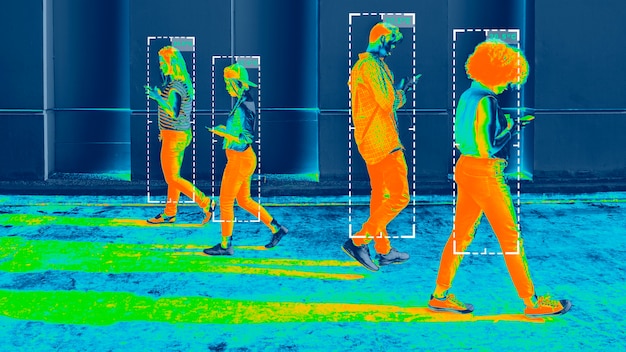
The detection of simulated correspondence relies on a multi-faceted approach that combines technological tools and human expertise. Techniques employed include:
- Forensic Document Examination: This involves detailed analysis of the document’s physical characteristics, including ink, paper, and writing style, to identify inconsistencies.
- Handwriting Analysis: Comparing the writing on the suspected simulated document with known samples of the purported author’s handwriting can reveal discrepancies.
- Digital Forensics: For digitally created documents, this involves examining metadata, analyzing file timestamps, and tracing the document’s origin.
- Content Analysis: Examining the content for inconsistencies, illogical statements, or factual errors can help identify simulated correspondence.
- Cross-referencing and Verification: Confirming information contained within the document against independent sources is crucial in determining authenticity.
- Statistical Analysis: Advanced techniques can be employed to analyze writing styles and identify patterns indicative of forgery.
Legal Ramifications of Simulated Correspondence
Creating and using simulated correspondence carries severe legal consequences, varying depending on the jurisdiction and the specific nature of the offense. Penalties can include:
- Imprisonment: Depending on the severity of the crime, sentences can range from several years to decades.
- Significant Fines: Financial penalties can be substantial, reflecting the financial losses caused by the fraudulent activities.
- Restitution: Offenders may be required to repay victims for any financial losses incurred.
- Civil Lawsuits: Victims may also pursue civil action to recover damages and obtain compensation.
- Damage to Reputation: Beyond legal penalties, creating or using simulated correspondence can severely damage an individual’s or organization’s reputation.
Technological Advancements and Countermeasures
The ongoing arms race between those who create simulated correspondence and those who seek to detect it has led to significant technological advancements. These include:
Read Also: Excellent Recommendation Letter: Tips & Examples – Letter Sample
- Improved Document Security Features: Advancements in printing technology and security features make it increasingly difficult to forge documents.
- Sophisticated Detection Software: Software programs are constantly being developed to identify patterns and anomalies indicative of simulated correspondence.
- Blockchain Technology: Blockchain’s inherent immutability and transparency offer potential for creating verifiable and tamper-proof documents.
- Artificial Intelligence (AI) in Detection: AI algorithms are being used to analyze vast amounts of data and identify subtle patterns that may indicate forgery.
- Biometric Authentication: The incorporation of biometric data, such as fingerprints or retinal scans, adds another layer of security to prevent forgery.
Societal Impact and Prevention
The creation and use of simulated correspondence have far-reaching societal impacts, impacting trust in institutions, eroding confidence in official documents, and increasing the cost of combating fraud. Prevention strategies include:
- Public Awareness Campaigns: Educating the public about the risks of simulated correspondence and the importance of verifying information is crucial.
- Improved Security Practices: Organizations should implement robust security measures to protect sensitive information and prevent the creation of counterfeit documents.
- Strengthening Legal Frameworks: Laws and regulations must keep pace with technological advancements to effectively address evolving methods of fraud.
- International Collaboration: Combating cross-border fraud requires international cooperation and information sharing.
- Promoting Digital Literacy: Equipping individuals with the skills to identify and avoid simulated correspondence is critical in a digital world.
Case Studies: Notable Instances of Simulated Correspondence
Examining specific instances of simulated correspondence offers valuable insights into the methods employed, the motivations behind them, and the consequences that followed. Historical and contemporary cases demonstrate the wide-ranging impact of this issue. (Specific examples could be included here, provided with appropriate citations to maintain accuracy and avoid defamation.)
Ethical Considerations
The creation and use of simulated correspondence raise significant ethical considerations. The potential for harm, deception, and exploitation necessitate a careful assessment of the moral implications involved. The ethical dimensions extend beyond the legal ramifications and encompass the broader impact on trust and social cohesion.
Conclusion
The complex world of simulated correspondence requires a multidisciplinary approach to understand its implications fully. From technological advancements in detection to the ongoing development of increasingly sophisticated methods of forgery, this area demands continuous vigilance and adaptation. A comprehensive strategy addressing prevention, detection, and legal ramifications is essential to mitigate the significant societal and individual harms associated with the misuse of simulated communication.

