

A purchase approval letter serves as formal documentation confirming authorization for a specific acquisition. It outlines the approved items, quantities, vendor, pricing, and payment terms. This crucial document safeguards both the purchasing entity and the vendor, providing a clear record of the transaction and mitigating potential disputes. Understanding its components and crafting effective letters is vital for efficient procurement processes and strong financial management. This comprehensive guide explores the various aspects of these letters, providing insightful examples and highlighting their significance in organizational operations.
Date and Recipient Information
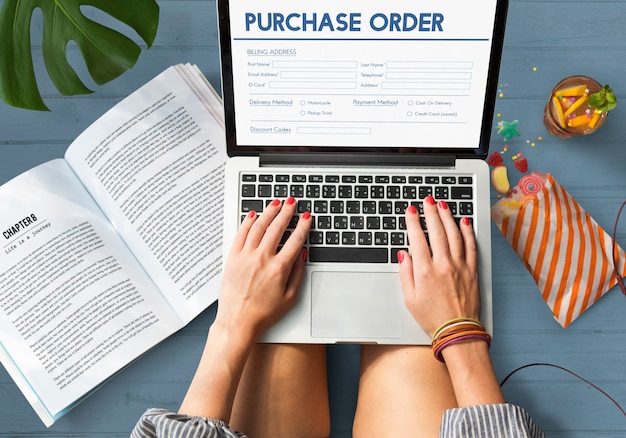
The letter should begin with the date of issuance and clearly identify the recipient (vendor or internal department). Accuracy in this section prevents potential delays and miscommunication. For instance, using the correct vendor name and contact information is paramount. Including a formal salutation, such as “Dear [Vendor Contact Person],” adds a professional touch.
Reference Number and Purchase Order Information

A unique reference number is crucial for tracking the purchase throughout the process. This number allows easy identification of the transaction within the organization’s purchasing system. The letter must clearly state the purchase order (PO) number, linking the approval directly to the specific order. This eliminates ambiguity and streamlines the process for both parties involved. A consistent numbering system ensures efficient record-keeping and retrieval.
Detailed Description of Approved Items
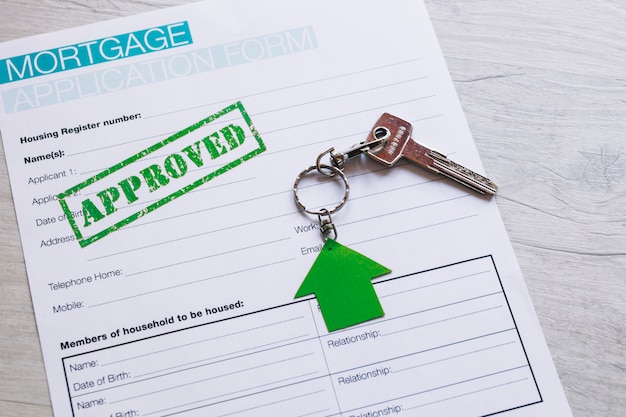
This section forms the core of the letter. It must contain a comprehensive and precise description of the items approved for purchase. This includes product names, specifications, quantities, and any relevant identifying numbers or codes (e.g., part numbers, serial numbers). Ambiguity in this section can lead to costly errors. Using clear, unambiguous language is essential to avoid misunderstandings. For example, avoiding generic terms and instead using precise model numbers prevents delivery of incorrect goods.
Pricing and Payment Terms
The letter should specify the agreed-upon price for each item and the total cost of the purchase. It must also clearly outline the payment terms, including the payment method (e.g., check, wire transfer, credit card), payment schedule, and any applicable discounts or rebates. Accurate pricing information prevents disputes over final costs. Clearly stating payment terms ensures timely payments and a positive vendor relationship. Transparency in this regard is crucial for maintaining trust.
Delivery Information and Timeline
This section should detail the expected delivery date, location, and any special instructions for shipping or handling. Including contact information for the designated recipient at the delivery location is vital. Precise delivery details help ensure that goods are received efficiently and without complications. Establishing clear timelines and expectations manages expectations and allows for proactive issue resolution.
Read Also: Approval Letter Sample: Application Approved – Letter Sample
Approving Authority and Signatures
The letter should clearly identify the individual or department authorizing the purchase. This individual’s signature, along with their printed name and title, confirms the approval and adds legal weight to the document. In some organizations, multiple signatures might be required, depending on the value or nature of the purchase. A clearly designated approver establishes accountability and reinforces the legitimacy of the transaction.
Contact Information
The letter should include contact information for both the purchasing entity and the vendor. This ensures efficient communication throughout the transaction process. Providing multiple contact methods (e.g., phone number, email address) enhances accessibility. Easy communication channels enable swift problem-solving and minimize delays.
Sample Purchase Approval Letter

Example 1: Standard Purchase
[Your Company Letterhead]
[Date]
[Vendor Name]
[Vendor Address]
Dear [Vendor Contact Person],
This letter confirms our approval for Purchase Order #12345, referencing your quotation dated [Quotation Date]. The approved items are detailed below:
| Item Description | Quantity | Unit Price | Total Price |
|——————————|———-|————|————-|
| Widgets (Model X-42) | 100 | $10.00 | $1000.00 |
| Sprockets (Part #7890) | 50 | $5.00 | $250.00 |
| Bolts (Size 10-24 x 1″) | 200 | $0.50 | $100.00 |
| **Total:** | | | **$1350.00** |
Payment terms are Net 30 days from the date of invoice. Delivery is expected by [Delivery Date] to [Delivery Address]. Please ensure all items meet the specifications outlined in Purchase Order #12345.
Sincerely,
[Your Name]
[Your Title]
Example 2: Purchase with Special Instructions
[Your Company Letterhead]
[Date]
[Vendor Name]
[Vendor Address]
Dear [Vendor Contact Person],
This letter confirms approval for Purchase Order #67890 for the following:
* 50 units of the Alpha-Series Model 3000, with customized color scheme (Pantone 186 C).
* All items must be packaged individually in protective foam inserts.
* Delivery to our warehouse at [Address] by [Date], with a delivery receipt required upon arrival.
* Payment will be processed via wire transfer upon successful delivery and inspection.
The total cost is $5,000. Please confirm receipt of this order and anticipated delivery date.
Sincerely,
[Your Name]
[Your Title]
Example 3: Purchase Requiring Multiple Approvals
[Your Company Letterhead]
[Date]
[Vendor Name]
[Vendor Address]
Dear [Vendor Contact Person],
This letter confirms our approval for Purchase Order #101112, subject to the following conditions:
* Successful completion of the pre-production sample review.
* Acceptance of revised payment terms.
* Confirmation of the updated delivery schedule.
Once these conditions are met, the following items will be purchased:
* 1000 units of the Beta-Series Model 7000, as per the revised specifications attached.
The total cost, pending final confirmation, is estimated at $10,000. Please confirm your understanding and compliance with the above conditions.
Sincerely,
[Your Name]
[Your Title]
[Approving Manager Name]
[Approving Manager Title]
The Importance of a Purchase Approval Letter
Legal Protection
The letter serves as a legally binding agreement, outlining the terms and conditions of the purchase. This protection safeguards both the buyer and the seller against potential disputes regarding pricing, quantities, or delivery. A well-drafted letter minimizes the risk of misunderstandings and provides a clear record of the transaction.
Financial Control
It ensures that all purchases are properly authorized and documented, contributing to better financial management and preventing unauthorized spending. This formal process promotes transparency and accountability within the organization. Efficient financial controls lead to reduced costs and improved budget management.
Streamlined Procurement
The letter facilitates a smooth and efficient procurement process by providing a clear and concise record of the agreed-upon terms. This reduces delays and potential issues that might arise from unclear communications. A clear and comprehensive letter promotes effective collaboration between the purchasing department and the vendor.
Risk Mitigation
It helps mitigate risks associated with purchasing, such as receiving incorrect goods or paying inflated prices. The detailed description and specifications minimize the likelihood of errors. Effective risk mitigation protects the organization’s financial interests and reduces potential losses.
Improved Vendor Relationships
By establishing clear communication and expectations, the letter helps foster positive relationships with vendors. Transparent communication builds trust and fosters a collaborative approach to transactions. Strong vendor relationships contribute to efficient procurement and access to better pricing and services.
Audit Trail
It provides a clear audit trail for all purchases, facilitating easy tracking and verification of transactions. This is particularly important for regulatory compliance and internal audits. Detailed records simplify compliance processes and demonstrate sound financial practices.
Conclusion
Purchase approval letters are essential components of any organization’s procurement process. Their significance lies in providing legal protection, enhancing financial control, streamlining operations, and mitigating risks. By understanding the key elements and crafting effective letters, organizations can ensure smooth transactions, positive vendor relationships, and sound financial management. The examples provided offer a solid framework for developing tailored letters that meet specific organizational needs and circumstances. The clarity and detail provided within these letters minimize ambiguity and provide a robust record of each purchase.
Remember: The specific content and format of the letter may vary depending on the organization’s policies and the nature of the purchase. However, the core principles of clarity, accuracy, and completeness remain vital for effective communication and risk mitigation.
Do not hesitate to contact us if you have any questions or require further clarification on the process. We are happy to provide guidance to ensure your purchase approval letters are comprehensive and effective.

