

Replacing a lost or stolen transit pass can seem daunting, but understanding the process simplifies the task considerably. This guide provides a detailed overview of the steps involved, outlining necessary documentation, potential fees, and alternative solutions. It emphasizes the importance of prompt action and the advantages of regaining access to convenient and cost-effective public transportation.
The Inconvenience of Lost Access
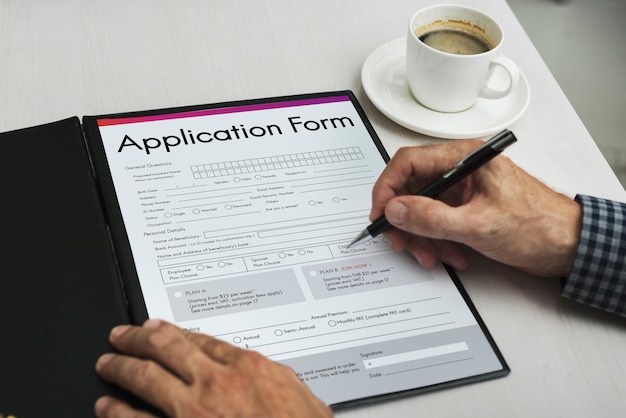
The immediate consequence of a missing transit pass is the disruption to one’s daily commute and access to public transportation. This can lead to significant inconvenience, including delays, increased travel time, and potential financial implications due to reliance on more expensive alternative modes of transport. The loss also presents a security risk, as the pass potentially allows unauthorized access to the system. Therefore, prompt action to replace the pass is crucial.
Financial Considerations and Potential Savings

While replacing a transit pass incurs a fee, it’s important to weigh this against the potential long-term costs of foregoing public transportation. Continuing without a valid pass can lead to significant financial penalties in the form of fines for fare evasion. Furthermore, the regular use of alternative transport options, such as taxis or ride-sharing services, can quickly become far more expensive than the cost of the replacement pass and the associated fees. Thus, a replacement swiftly mitigates ongoing financial losses.
Security Risks Associated with a Lost Pass

A lost or stolen transit pass poses a security vulnerability. Unauthorized individuals could potentially use the pass to access public transport services, potentially leading to misuse and breaches of security. Reporting the loss promptly is essential to limit the potential for fraudulent activity and protect personal information associated with the account, if applicable. Many transit authorities have systems in place to deactivate lost passes, minimizing the risk of misuse.
The Application Process: A Step-by-Step Guide

Gathering Necessary Documentation
The precise requirements for applying for a replacement transit pass vary depending on the issuing authority. However, generally, you will need to provide proof of identity, such as a government-issued photo ID (driver’s license, passport, national identity card). Some authorities might also request proof of address, such as a utility bill or bank statement. It is advisable to check the specific requirements on the transit authority’s website or by contacting their customer service department. Having all necessary documentation prepared beforehand will expedite the application process.
Submitting the Application
Most transit authorities offer multiple channels for submitting replacement pass applications. These options commonly include online portals, telephone services, and in-person applications at designated customer service centers or transit offices. The online method often provides convenience and speed, while telephone services allow for direct interaction with customer support representatives. In-person applications may offer immediate access to a replacement pass, although this option may necessitate additional waiting time.
Read Also: Bonafide Certificate for Bus Pass Application – Letter Sample
Payment and Fee Structure
Replacing a lost transit pass usually involves a fee, which may vary depending on the type of pass, frequency of replacement, and the specific transit authority. The fee structure is typically clearly outlined on the transit authority’s website or available upon inquiry. Payment options often include credit cards, debit cards, cash, and money orders. It is advisable to clarify payment methods before submitting the application to ensure a seamless process.
Processing Time and Delivery Methods
The processing time for a replacement transit pass application varies depending on the method chosen and the workload of the transit authority. Online applications typically offer faster processing times, while in-person applications often provide more immediate access to a replacement pass. Delivery methods for the replacement pass may include physical mailing, in-person collection, or electronic delivery (e.g., a digital pass added to a mobile phone application). Check the transit authority’s website or contact their customer service for more specific information.
Alternative Solutions and Preventative Measures
Utilizing Temporary Passes or Day Passes
While awaiting the processing of a replacement transit pass application, consider utilizing temporary passes or day passes to maintain access to public transportation. Many transit authorities offer such options, providing a temporary solution until the replacement pass is issued. This can mitigate disruptions to one’s commute and help maintain a regular schedule.
Exploring Public Transportation Alternatives
In the event of significant delays in obtaining a replacement, exploring alternative transportation methods, such as biking, walking, or carpooling, could be beneficial. This may depend on the distance of one’s commute and personal circumstances, but it offers a temporary solution for avoiding disruption to one’s routine until the replacement transit pass is received. Assessing the feasibility of these alternatives is important for effective planning.
Preventing Future Loss: Safeguarding Your Transit Pass
Taking preventative measures is key to avoid future loss or theft. This involves securely storing the pass, perhaps in a dedicated wallet or pouch, and keeping it out of sight to deter theft. Regularly checking the pass’s location can help prevent accidental misplacement. Consider registering the pass with the transit authority, allowing for easier retrieval or cancellation in case of loss or theft.
Benefits of Prompt Action and Efficient Application
Maintaining Consistent Access to Public Transportation
Promptly applying for a replacement transit pass ensures the least possible disruption to one’s daily commute and access to public transportation. This is particularly critical for individuals who rely heavily on public transport for work, school, or other essential activities. Swift action minimizes inconvenience and allows for the maintenance of a regular schedule.
Avoiding Potential Financial Penalties
Prompt replacement avoids the accumulation of fines for fare evasion, a considerable advantage. The financial penalty for riding without a valid pass can quickly outweigh the cost of a replacement. Taking immediate action protects against escalating financial repercussions and helps maintain budgetary control.
Minimizing Security Risks
Reporting the loss promptly reduces the risk of unauthorized use and potential security breaches. Many transit authorities have procedures to deactivate lost or stolen passes, preventing misuse and protecting personal information associated with the account. Immediate notification is a crucial security measure.
Understanding Transit Authority Regulations and Policies
Reviewing Specific Requirements and Procedures
Before initiating the application process, it’s crucial to review the specific requirements and procedures outlined by the transit authority. These details vary significantly and are typically accessible on their website, in their brochures, or by contacting their customer service department directly. Understanding these stipulations beforehand ensures a smoother application process. Paying close attention to details is vital for successful application.
Contacting Customer Support for Assistance
If you encounter difficulties navigating the application process or require clarification on any aspect, contacting the transit authority’s customer support department is highly recommended. Their representatives can provide personalized guidance and answer any specific questions you may have. Utilizing their expertise can simplify the process and resolve any challenges encountered.
Staying Informed about Updates and Changes
Transit authorities may occasionally update their policies and procedures regarding replacement passes. Staying informed about such changes ensures you have the most accurate information and can navigate the application process effectively. Regularly checking their website or subscribing to their newsletters can keep you up-to-date. Staying informed avoids unnecessary delays.
Conclusion
Replacing a lost or stolen transit pass requires a structured approach. By understanding the application process, gathering necessary documentation, and utilizing available resources, individuals can effectively navigate this situation. Prompt action minimizes disruption to daily routines, avoids financial penalties, and reduces security risks. The importance of understanding specific transit authority regulations and policies cannot be overstated, and utilizing available support channels is encouraged.
We encourage you to ask any questions you may have regarding the application process or specific transit authority policies. This information will enable you to resolve issues proactively and efficiently. Understanding the process makes replacing a transit pass a manageable task.

