

A legally sound agreement letter for the sale of a car is crucial for both the buyer and the seller. It acts as a legally binding contract, safeguarding against disputes and misunderstandings that can arise during the transaction. This comprehensive guide outlines the essential components of such an agreement, providing a clear and concise framework for its creation. The document should be clear, unambiguous, and include all pertinent details to ensure a smooth and legally protected transfer of ownership. Paying close attention to detail and adhering to legal best practices are paramount in this process.
Establishing a Clear and Binding Contract

A well-drafted agreement letter serves as the foundation of the sale. It formally documents the agreed-upon terms, protecting both parties from potential future conflicts. Without a formal agreement, disputes over payment, vehicle condition, or warranty claims can easily escalate into costly legal battles. The agreement acts as irrefutable proof of the transaction’s details, including the agreed-upon price, payment method, and any conditions of the sale.
Protecting Both Buyer and Seller

The agreement isn’t just beneficial for one party; it offers comprehensive protection for both. The buyer is safeguarded against purchasing a vehicle with undisclosed issues or hidden defects. The seller, in turn, is assured of receiving the full payment as agreed and is protected against future claims relating to the vehicle’s condition post-sale. This mutual protection fosters trust and transparency throughout the process.
Facilitating a Smooth Transaction

A clearly written agreement reduces the likelihood of misunderstandings and disagreements. By setting expectations upfront, the process becomes more streamlined and less stressful for all involved. A well-defined agreement simplifies the transfer of ownership, reducing the potential for complications during the registration process with the relevant authorities.
Essential Elements of a Comprehensive Car Sale Agreement Letter
Identifying the Parties Involved
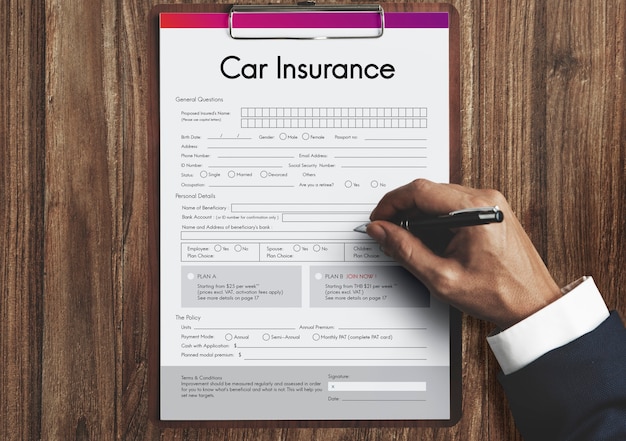
The agreement must clearly identify the seller and the buyer. This includes full legal names, addresses, and contact information. Accuracy in this section is paramount to avoid confusion or ambiguity later on. Consider including driver’s license numbers for added verification.
Detailed Vehicle Description
The agreement needs to provide a meticulous description of the vehicle being sold. This should encompass the year, make, model, Vehicle Identification Number (VIN), color, and any other identifying features. Including the odometer reading at the time of sale is also crucial, providing a clear record of the vehicle’s mileage.
Read Also: 10 Loan Agreement Letter Writing Tips – Letter Sample
Purchase Price and Payment Terms
This section details the agreed-upon price for the vehicle, along with the method of payment. Specify the total purchase price and whether the payment will be made in cash, certified check, bank transfer, or financing. If financing is involved, details of the loan agreement should be included or referenced. The payment schedule (if applicable) should be clearly outlined.
Condition of Sale and Warranties (if any)
The agreement should clearly state the condition of the vehicle at the time of sale. This is particularly important if the vehicle is being sold “as is,” which means the buyer assumes responsibility for any future repairs or maintenance. If a warranty is being offered, it must be clearly detailed, including the duration, coverage, and any limitations.
Transfer of Ownership and Documentation
This section outlines the process of transferring ownership. This usually involves the signing of the title document, bill of sale, and any other relevant paperwork. Specify the responsibilities of both parties concerning the transfer of ownership, including who is responsible for obtaining necessary registrations and paying any associated fees. Ensure all necessary documentation is attached to the agreement.
Dispute Resolution
While aiming for a smooth transaction, it’s wise to include a section detailing how disputes will be resolved if they arise. This might include provisions for mediation or arbitration, avoiding costly and time-consuming litigation. Consider specifying the jurisdiction under which any disputes will be resolved.
Formatting and Best Practices for a Car Sale Agreement Letter
Professional Presentation
The agreement should be professionally presented, free from grammatical errors and typos. Use a clear and concise writing style, avoiding jargon or legalistic language that might be difficult for non-legal professionals to understand. A professional appearance demonstrates seriousness and attention to detail.
Using Plain Language
Employ straightforward language that is easy for both parties to understand. Avoid complex legal terms or ambiguous phrasing. If specialized terms are necessary, provide clear definitions within the agreement.
Multiple Copies
It is vital to create multiple copies of the signed agreement. Each party should retain a copy for their records. This ensures that both the buyer and the seller have access to the same legally binding document.
Witness Signatures
While not always legally required, having a witness sign the agreement can add an extra layer of security and credibility to the document. The witness should be someone who is not directly involved in the transaction.
Notary Public
In some jurisdictions, having the agreement notarized is recommended. A notary public verifies the signatures of the parties, adding an extra layer of legal weight to the document. Check local laws regarding the requirements for notarization.
Legal Considerations and Potential Pitfalls
“As Is” Clause
When a car is sold “as is,” the seller is not liable for any defects discovered after the sale. This clause should be clearly stated and understood by both parties. While it protects the seller, it also places a greater onus on the buyer to thoroughly inspect the vehicle before purchase.
Warranty Implications
If offering any type of warranty, be explicit about its terms and conditions. Specify the duration, what is covered, and what is excluded. Vague or ambiguous warranties can lead to disputes. Clearly define the warranty’s limitations to avoid misunderstandings.
State and Local Regulations
It is crucial to be aware of and comply with all applicable state and local regulations regarding the sale of motor vehicles. These laws vary widely, and non-compliance can have significant legal repercussions.
Title Transfer Procedures
The correct and timely transfer of the vehicle title is essential. Failure to do so can result in liability issues for the seller, and difficulties for the buyer in registering the vehicle. Understand the specific title transfer procedures in your jurisdiction.
Conclusion: Ensuring a Secure and Transparent Car Sale
A comprehensive car sale agreement letter is more than just a formality; it’s a critical document protecting both buyer and seller. By diligently following the steps outlined above, individuals can create a legally sound and clear agreement that safeguards against future disputes and ensures a smooth transaction. Remember, clear communication, attention to detail, and a commitment to legal compliance are paramount in this process. A well-drafted agreement fosters trust and transparency, providing both buyer and seller with peace of mind.
Remember to consult with legal counsel for specific advice tailored to your situation and jurisdiction. This guide is for informational purposes only and should not be considered legal advice.
Encourage Questions
If you have any questions about creating a car sale agreement letter or require clarification on any aspect of this guide, please do not hesitate to seek legal advice. Legal professionals can help you navigate the intricacies of car sales contracts and ensure your agreement is legally sound and protects your interests.

