

A crucial document in securing loans or credit from financial institutions is the income verification letter. This letter, formally issued by an employer or other recognized source, provides concrete evidence of an applicant’s financial stability and earning capacity. It serves as a critical piece of the puzzle, allowing banks to assess the applicant’s ability to repay borrowed funds, significantly impacting the approval process. This detailed exploration delves into the nuances of this important document, examining its structure, content, importance, and the potential consequences of inaccuracies or omissions.
The Significance of Income Verification in Loan Applications

Strengthening Loan Applications

The primary benefit of providing a comprehensive and accurate income verification letter is a significantly enhanced loan application. Banks utilize this documentation to evaluate the applicant’s creditworthiness and repayment potential. A well-presented letter, detailing consistent and substantial income, immediately boosts the application’s credibility. This can be particularly crucial for higher-value loans, where the risk to the lender is greater. Providing this clear evidence reduces the lender’s perceived risk, making approval more likely.
Faster Processing Times
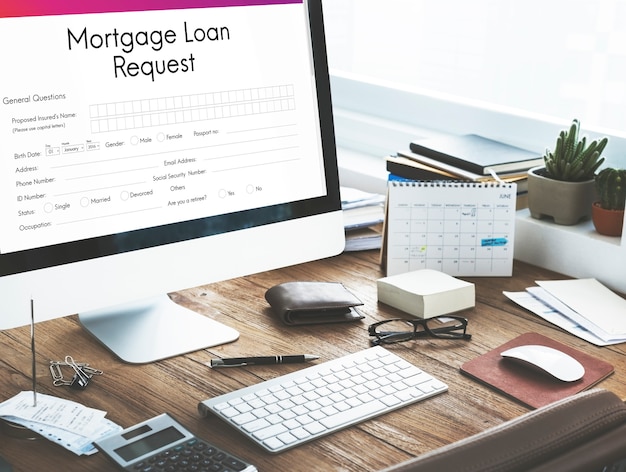
Submitting a complete and accurate income verification document can substantially accelerate the loan application process. Banks require specific information to validate the applicant’s financial standing. Providing this information upfront reduces the need for additional verification steps, which can often cause delays. A streamlined process saves both time and resources for both the applicant and the bank, contributing to a more efficient and positive experience.
Securing Favorable Loan Terms

Demonstrating financial stability through a robust income verification letter can positively influence the loan terms offered. Lenders may be more willing to offer lower interest rates or more favorable repayment schedules to applicants who can confidently demonstrate their capacity to meet their financial obligations. This can result in substantial long-term savings for the borrower. Essentially, a strong income verification letter demonstrates a low-risk profile, potentially leading to better loan conditions.
Improved Chances of Approval
Perhaps the most significant advantage of supplying a well-prepared income verification letter is the increased likelihood of loan approval. Banks rely heavily on this information to assess the risk involved in extending credit. An accurate and comprehensive letter minimizes uncertainties, increasing confidence in the applicant’s ability to repay the loan. This positive assessment directly translates into a higher probability of a successful loan application.
Components of an Effective Income Verification Letter
Essential Information to Include
A comprehensive income verification letter should include specific details to effectively validate the applicant’s income. These crucial elements include: the applicant’s full legal name, the applicant’s date of birth, the employer’s full legal name and address, the applicant’s job title, the applicant’s start date with the employer, the applicant’s current salary (including any bonuses, commissions, or other forms of compensation), the applicant’s payment frequency (e.g., weekly, bi-weekly, monthly), the letter’s date of issue, and the authorized signatory’s name, title, and contact information. Any missing information may lead to delays or rejection of the application. The letter should also clearly state that the information provided is accurate and complete.
Read Also: US Visa: Sample Bank Verification Letter – Letter Sample
Format and Presentation
The presentation of the income verification letter is as important as its content. The letter should be professionally formatted, free from grammatical errors or typos, and printed on official company letterhead. The official company seal or stamp further adds authenticity and weight to the document. A clear and concise writing style, avoiding jargon or ambiguous language, is essential for easy understanding. The letter should be straightforward and easily verifiable by the bank’s verification procedures.
Employer’s Role in Verification
The employer plays a vital role in the accuracy and effectiveness of the income verification process. They are responsible for verifying the employee’s income information and issuing a letter that accurately reflects their financial situation. Employers should understand that an incorrect or incomplete letter could negatively impact both the employee and their own reputation. Timely issuance is also crucial to expedite the loan process. The company’s commitment to accurate and timely documentation reflects its responsible approach to business practices. In some cases, the employer may be required to submit additional verification such as tax documents or payroll records.
Potential Issues and Mitigation Strategies
Inaccurate or Incomplete Information
Providing inaccurate information in the income verification letter can have severe consequences. Banks are adept at detecting discrepancies, and fraudulent or misleading information can lead to immediate loan application rejection. Furthermore, it can damage the applicant’s credit rating and potentially result in legal repercussions. Therefore, it is crucial to ensure all information is completely accurate and up-to-date before submission.
Delays in Issuance
Delays in obtaining the income verification letter can significantly impact the loan application timeline. Banks have specific processing schedules, and delays can cause considerable setbacks. To mitigate this, applicants should request the letter well in advance of needing it. Proactive communication with the employer ensures the timely issuance of the necessary documentation.
Self-Employment Considerations
Self-employed individuals face unique challenges in providing income verification. They may need to submit additional documentation, such as tax returns, profit and loss statements, or bank statements, to validate their income. Thorough preparation and accurate documentation are essential to ensure a smooth application process. Consulting with a financial advisor may be beneficial in understanding the specific requirements for self-employed applicants.
Alternative Income Verification Methods
In situations where a traditional income verification letter may not be readily available, alternative methods may be considered. These could include bank statements, pay stubs, or tax returns, provided they meet the bank’s specific requirements. It is vital to discuss these alternatives with the bank beforehand to ensure compliance and to avoid unnecessary delays.
The Role of the Bank in Verification
Bank’s Verification Procedures
Banks have established procedures for verifying the information provided in the income verification letter. These procedures may include contacting the employer directly to confirm the information’s accuracy or cross-referencing it with other submitted documentation. Applicants should be prepared for this verification process and ensure all information provided is consistent across all documents.
Understanding Bank Requirements
Before submitting the income verification letter, it is essential to understand the bank’s specific requirements. Different banks may have different criteria, so it’s crucial to clarify these requirements upfront to avoid potential delays or rejection. Contacting the bank’s loan department or reviewing the loan application guidelines is recommended to avoid any misunderstandings.
Legal and Ethical Considerations
Data Protection and Privacy
The income verification letter often contains sensitive personal and financial data. It is essential to ensure compliance with all relevant data protection and privacy regulations. Both the employer and the applicant should be mindful of handling this information responsibly and securely. The letter should only be shared with authorized personnel at the bank.
Accuracy and Transparency
Accuracy and transparency are paramount in the income verification process. Providing false or misleading information has serious legal and ethical implications. Maintaining honesty and integrity throughout the application process is not only essential for securing a loan but also for maintaining a positive financial reputation.
Conclusion: The Crucial Role of Accurate Documentation
The income verification letter stands as a cornerstone in the loan application process. Its accuracy, completeness, and timely submission significantly influence the likelihood of loan approval and the terms offered. By understanding the crucial components, potential pitfalls, and the bank’s verification procedures, both applicants and employers can navigate this process efficiently and effectively. A well-prepared income verification letter not only increases the chances of securing the desired financing but also demonstrates responsibility and financial integrity.
Encouraging Questions and Further Engagement
This detailed overview aims to provide a comprehensive understanding of the income verification letter and its significance. However, individual situations can be unique, and further questions may arise. Feel free to contact the relevant financial institution for clarification on specific requirements or seek guidance from a financial advisor for personalized assistance. Understanding the nuances of this process empowers individuals to approach loan applications with confidence and increased chances of success. The process of securing a loan involves multiple steps, and seeking clarification where needed ensures a smooth and successful outcome. Remember, a well-prepared and accurate income verification letter can be the key to unlocking financial opportunities.
Understanding the specific requirements of your chosen lender is paramount. Carefully reviewing loan application guidelines and contacting the lender’s customer service department can answer any specific questions about required documentation and submission procedures. Proactive engagement with the lender strengthens the application and reduces the risk of delays.
For self-employed individuals, meticulous record-keeping is critical. Maintaining accurate financial records, including tax returns and business financial statements, simplifies the income verification process and demonstrates financial responsibility. Seeking advice from an accountant or financial advisor is strongly recommended, particularly for complex financial situations.
The importance of accuracy cannot be overstated. Any discrepancy or omission in the provided information may lead to delays or rejection of the application. Double-checking all information before submission is crucial to ensure a successful outcome. Reviewing the letter carefully before submitting it ensures accuracy and minimizes potential issues.
The employer’s role is crucial in facilitating a smooth and efficient process. Understanding the bank’s requirements and providing complete and accurate information in a timely manner supports the employee’s loan application and reflects positively on the company’s commitment to accuracy and responsible business practices. Prompt responses and clear communication between the employer and applicant prevent delays.
Finally, the entire process underscores the importance of financial literacy. Understanding the intricacies of loan applications and the role of various documents enhances the chances of success. Continuously educating oneself about personal finance strengthens one’s ability to manage financial matters effectively. Continuously learning about personal finance empowers individuals to make informed decisions and achieve long-term financial well-being.

