

Letters tailored for children are essential tools in fostering literacy and communication skills. These carefully crafted messages go beyond simple text; they cultivate a love for reading and writing, while also enhancing vocabulary, comprehension, and creative expression. This exploration delves into the key elements that define a child-friendly letter, analyzing its structure, language, and the profound impact it can have on a young person’s development.
Key Characteristics of Engaging Letters for Children

Age-Appropriate Language and Vocabulary
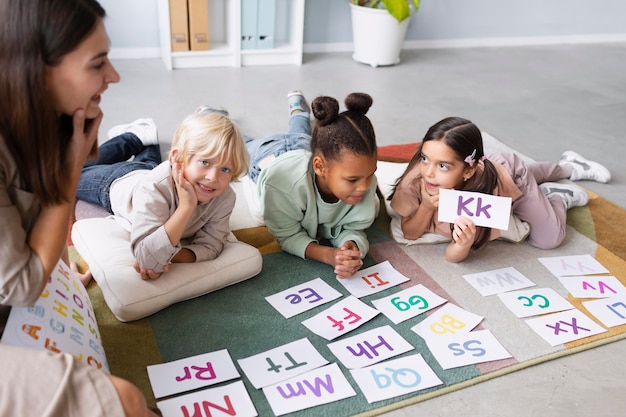
The language used is paramount. Simplicity is key. Complex sentence structures and advanced vocabulary should be avoided. Instead, short, declarative sentences and familiar words should dominate. The goal is clear, direct communication that avoids confusion. This approach ensures comprehension and allows children to focus on the message rather than deciphering unfamiliar terms. Consider the child’s reading level; a letter for a five-year-old will differ significantly from one intended for a twelve-year-old. Using picture books or age-appropriate texts as a guide can help determine the appropriate vocabulary range and sentence construction.
Visual Appeal and Formatting

Children respond strongly to visual stimuli. Bold text, underlined words, and varied font sizes can significantly enhance readability and engagement. Including illustrations or drawings, relevant to the letter’s content, can further captivate the child’s attention and make the reading experience more enjoyable. Consider using different colors for emphasis, but avoid overwhelming the page with excessive visual clutter. White space should be utilized effectively to prevent the letter from appearing cramped or overwhelming.
Storytelling and Narrative Techniques
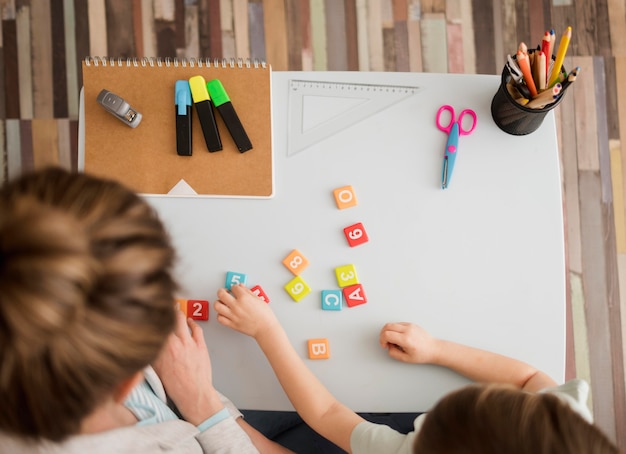
Incorporating storytelling elements, such as anecdotes or mini-narratives, can transform a simple letter into a captivating experience. Children naturally engage with stories; weaving a narrative into the letter provides context and makes the information more memorable and enjoyable. Using a conversational, informal tone can also make the letter more engaging and approachable. This technique fosters a sense of connection and encourages interaction with the written word.
Thematic Focus and Relevance
Children respond better to letters that are relevant to their interests and experiences. Connecting the letter’s content to their hobbies, favorite characters, or current events makes the message relatable and engaging. Focusing on a specific theme or topic simplifies the content and prevents the message from becoming disjointed or overwhelming. A letter about a shared activity, a favorite animal, or a recent event will resonate more deeply than a generalized, abstract message.
Interactive Elements and Call to Action
Adding interactive elements, such as questions or prompts, encourages active participation and enhances engagement. These elements transform the letter from a passive reading experience into a more dynamic, two-way communication. A call to action, urging the child to respond or engage in a specific activity, reinforces the sense of connection and encourages further interaction. For example, a letter could conclude with a request to draw a picture, write a response, or participate in a shared activity.
Read Also: Follow Up Letter After Interview: Tips & Examples – Letter Sample
The Benefits of Child-Friendly Letters
Developing Literacy Skills
Regular exposure to well-written, age-appropriate letters plays a vital role in developing fundamental literacy skills. Children learn to recognize words, decode sentences, and understand the meaning of written text. This exposure contributes significantly to their reading comprehension and vocabulary development. Repeated interaction with written words strengthens these skills and promotes a positive association with reading.
Enhancing Communication Skills
Letters provide valuable practice in communication. Children learn to articulate their thoughts and feelings in writing, strengthening their ability to express themselves clearly and effectively. This skill is crucial for future academic success and interpersonal relationships. Carefully crafted letters act as a model for clear and effective communication, which translates to improvements in both written and verbal expression.
Strengthening Family Bonds
Letters can foster strong family connections, especially when geographic distance separates family members. A letter from a grandparent, aunt, or uncle can provide comfort and a sense of closeness. This type of correspondence allows for shared experiences and builds strong familial bonds. The personal touch of a handwritten letter provides a level of connection that digital communication sometimes lacks.
Boosting Self-Esteem and Confidence
Receiving personalized letters can boost a child’s self-esteem and confidence. Knowing that someone has taken the time to write specifically for them instills a sense of importance and value. This positive reinforcement strengthens their belief in their worth and abilities. Responding to letters also builds self-confidence by providing opportunities to practice writing and express themselves.
Promoting Creativity and Imagination
Letters can stimulate creativity and imagination. The freedom to express oneself through writing encourages children to explore different ideas and perspectives. The use of storytelling techniques and visual elements further enhances their creative expression. The opportunity to illustrate their own responses to the letter provides further avenues for creative exploration.
Crafting Effective Child-Friendly Letters: A Practical Guide
Planning and Preparation
Before beginning to write, it’s crucial to consider the child’s age and interests. Identify the letter’s purpose and choose a topic that will resonate with the child. Brainstorming ideas and outlining the main points will ensure a cohesive and engaging letter. Planning the visual elements, such as illustrations or font styles, adds to the overall appeal.
Writing the Letter
Use simple sentences and familiar words. Keep the language lively and conversational, but avoid slang or informal language that may be confusing or inappropriate. Incorporate storytelling elements and anecdotes to add depth and interest. Make sure the content is relevant to the child’s life and interests to maintain engagement.
Review and Revision
Once the draft is complete, carefully review the letter to ensure clarity and accuracy. Check for spelling and grammar errors. A fresh pair of eyes can provide invaluable feedback. Read the letter aloud to ensure it flows naturally and engages the reader. Make any necessary revisions before finalizing the letter.
Adding Visual Elements
Visual elements, such as illustrations or drawings, can significantly enhance the letter’s appeal. Hand-drawn illustrations or age-appropriate stickers add a personal touch. Consider using bold text, underlining, or different font sizes to emphasize key information or create visual interest. Remember to maintain a balance between text and visual elements to avoid overwhelming the page.
Final Touches and Delivery
Once the letter is complete, ensure it is neatly presented. A carefully written and thoughtfully presented letter demonstrates respect and consideration for the recipient. Handwriting adds a personal touch, but typed letters are also acceptable, particularly for older children. Consider the method of delivery—a traditional mailed letter can feel special, or a digitally delivered letter with a fun animated attachment could be suitable.
Conclusion
Letters tailored for children are more than just correspondence; they are powerful tools for fostering literacy, communication, and emotional development. By understanding and implementing the key characteristics discussed here, one can craft engaging and effective letters that leave a lasting positive impact on young readers and writers. This approach nurtures a love for reading, enhances language skills, and strengthens family bonds, contributing to a child’s overall well-being and success.
Remember: The goal is to create a positive and enjoyable experience for the child. A well-crafted letter can become a cherished keepsake, a reminder of the connection and care shown by the sender.
Questions are welcome. Feel free to inquire about specific aspects of crafting child-friendly letters, and further exploration of this topic is encouraged. The goal is to empower individuals to become confident creators of meaningful and engaging communication with young people.
Furthermore, continuous adaptation based on the child’s response and feedback ensures that future letters are even more impactful and enjoyable.
Effective communication is a lifelong skill, and starting young is crucial. Letters provide an excellent foundation.
Therefore, consider the nuances of age, interests, and developmental stage for personalized impact.
Personalized touches, such as inside jokes or references to shared experiences, deepen the connection.
Ultimately, the goal is to foster a love for reading and writing in a fun and engaging way.

