

A well-crafted request for pothole repair is crucial for ensuring public safety and maintaining well-maintained roads. These letters serve as formal communication, documenting the issue, and initiating the necessary repairs. The effectiveness of such a letter hinges on clear articulation of the problem, its location, and the potential dangers it poses. A poorly written request might be ignored or delayed, potentially leading to vehicle damage, accidents, or even injuries. Therefore, understanding the key elements of a successful communication is paramount. This guide provides a comprehensive breakdown of how to effectively request road repairs, helping individuals and communities advocate for safer roads.
Crafting a Compelling Request for Road Surface Repair
Identifying the Problem and its Location
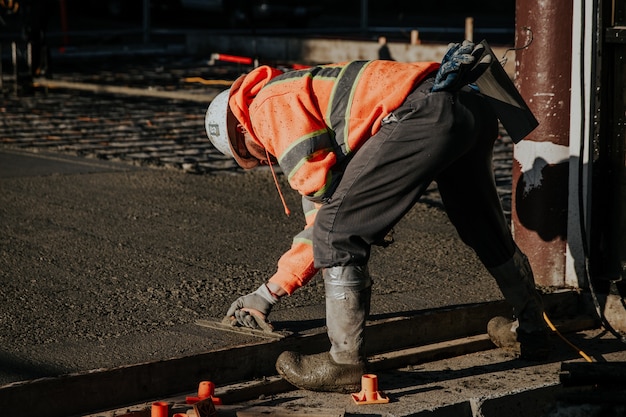
The first step in writing an effective request is to accurately and precisely describe the damaged area. This involves more than simply stating “there’s a pothole.” Detailed information is essential. This includes the precise location – using street addresses, intersections, or landmarks (e.g., “near the corner of Elm Street and Maple Avenue, adjacent to the fire hydrant”). Providing GPS coordinates is even more beneficial for efficient location identification. Detailed descriptions of the pothole’s size, shape, and depth are also crucial; for example, “a large, irregularly shaped pothole approximately 12 inches in diameter and 4 inches deep.” Adding photographic or video evidence can further strengthen the request.
Highlighting the Safety Risks

Clearly articulating the safety hazards posed by the pothole is key to prioritizing the repair. This isn’t just about inconvenience; it’s about safety. The letter should emphasize potential dangers, such as: vehicle damage (tire punctures, bent rims, suspension damage); accidents caused by drivers swerving to avoid the pothole; injuries to cyclists and pedestrians (falls, sprains); and potential damage to public infrastructure (sewer lines, water mains). Quantifying these risks, where possible, strengthens the case for urgent repair. For instance, instead of saying “it’s dangerous,” state, “the pothole has already resulted in two reported flat tires this week.”
Addressing the Appropriate Authority
Researching and identifying the correct authority responsible for repairing the road is vital. This might be the local council, the state Department of Transportation, or a private property owner, depending on the road’s location. Addressing the letter to the correct department or individual ensures that the request is promptly routed to the responsible party. Including contact information for the person submitting the request allows for follow-up and updates.
Maintaining a Professional and Formal Tone
The letter should maintain a consistently professional and respectful tone. While expressing the urgency of the situation, avoid accusatory or emotional language. A clear, concise, and well-organized presentation increases the likelihood of a positive response. Using formal language and avoiding slang or informal expressions demonstrates respect for the recipient and enhances the credibility of the request.
Including Supporting Documentation
Enhancing the request with supporting documentation is a highly recommended strategy. Including photographs or videos clearly depicting the pothole and its location significantly improves the impact of the letter. If possible, include any records of previous reports or communications regarding the pothole, as this demonstrates a persistent effort to resolve the issue. Maps highlighting the location are also extremely valuable. This supporting evidence transforms a simple request into a well-supported appeal.
Read Also: Request for More Street Lights: Improve Safety – Letter Sample
The Structure of a Pothole Repair Request Letter
The Heading and Salutation
The letter should begin with a clear and concise heading, specifying the purpose of the correspondence (e.g., “Request for Pothole Repair”). The salutation should address the relevant authority formally (e.g., “Dear [Name of responsible official/department]”). Using the correct title and spelling is imperative for demonstrating respect and professionalism. Addressing the letter to a specific individual whenever possible improves the chances of a prompt response.
The Body of the Letter
The body of the letter should clearly outline the details described in the previous section: the precise location of the pothole, its dimensions and characteristics, the potential safety hazards it poses, and any supporting documentation included. This section should be well-organized, using paragraphs to separate different aspects of the description. The language should remain factual and avoid subjective opinions or emotional appeals. Brevity is key; ensure the information is easily digestible and doesn’t contain any unnecessary details.
Closing and Contact Information
The closing should reiterate the request for pothole repair and express appreciation for the time and consideration given to the matter. Include your full name, address, phone number, and email address to facilitate efficient communication. Clearly stating a preferred method of contact helps streamline communication and expedite the response. Including a closing remark expressing gratitude for the attention to the matter demonstrates good etiquette.
Distribution and Follow-Up
Choosing the Right Delivery Method
Consider the most appropriate method of delivering the request letter. Options include sending a physical letter via registered mail (providing proof of delivery), emailing the letter as a PDF attachment (for ease of record-keeping), or submitting it online through the relevant authority’s website (if available). The chosen method should align with the authority’s preferred communication channels. Using a registered mail ensures that the letter reaches its destination and its delivery can be verified.
Maintaining Follow-up Communication
After submitting the request, follow up after a reasonable time (e.g., one to two weeks). This demonstrates continued interest in the issue and ensures the request hasn’t been overlooked. You can use this opportunity to seek updates on the scheduled repair or address any questions that might have arisen. Persistent yet respectful communication is key to achieving a positive outcome.
The Benefits of Effective Pothole Repair Requests
Successfully advocating for pothole repairs yields numerous benefits. Improved road safety is paramount – reducing accidents, injuries, and vehicle damage. This directly contributes to a safer environment for all road users, including pedestrians, cyclists, and motorists. Reduced vehicle repair costs are a direct benefit for individuals, while the overall economic impact also improves, reducing traffic congestion and fuel consumption. Effective repairs enhance the quality of life within the community, showcasing a responsive and proactive local government, ultimately enhancing civic pride. Improved road infrastructure enhances local property values, reflecting positively on the investment in the community. Furthermore, preventing larger, more expensive repairs down the line is a vital economic argument for proactive repair of smaller issues.
Conclusion: Advocating for Safer Roads
Writing an effective request letter for pothole repair requires clear communication, attention to detail, and a strategic approach. By following the steps outlined above, individuals and communities can significantly increase their chances of securing timely and efficient repairs, contributing to safer and better-maintained roads. Remember, a well-crafted letter is more than just a request; it’s a vital step in advocating for the well-being and safety of everyone who uses the roads. The combined effort of responsible citizens reporting damaged infrastructure can lead to a more positive impact on road safety.
Encourage Questions
Do you have any questions regarding crafting a compelling request letter for pothole repairs? We encourage you to reach out if you require further assistance or clarification on any aspect of the process. We are here to help you navigate this process and advocate for the improvements needed within your community.

