

A formal request for fire safety equipment, such as extinguishers, is a crucial document. Its clarity and professionalism directly impact the likelihood of a positive response from the relevant authority or supplier. This comprehensive guide analyzes various sample letters, highlighting essential elements and demonstrating how to effectively communicate the need for adequate fire safety measures. It provides examples tailored to different scenarios, emphasizing the importance of concise, accurate information and a professional tone. The benefits of possessing effective fire suppression systems, along with the potential consequences of inaction, are also detailed.
Crafting an Effective Request for Fire Safety Equipment

Identifying the Recipient and Establishing Context
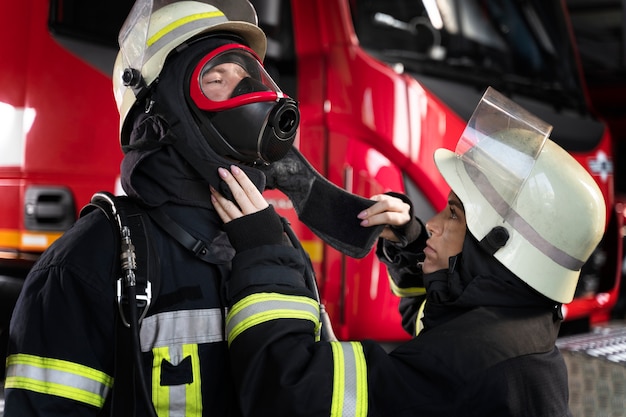
The initial step involves clearly identifying the recipient of the letter. This could be a building manager, a landlord, a local council, or a fire safety equipment supplier. The opening paragraph should concisely establish the context—the location requiring the fire extinguishers and the reason for the request. This might involve referencing specific building codes, safety assessments, or recent incidents that highlight the need for improved fire safety.
For instance, if addressing a building manager, the letter might begin by stating the specific building and the number of occupants. Similarly, a request to a local council might include details of the property’s usage and relevant zoning regulations. This initial context-setting ensures the recipient immediately understands the nature of the request and its relevance to their responsibilities.
Detailing the Specific Requirements

The core of the letter should detail the specific requirements for fire extinguishers. This includes the number of extinguishers needed, their appropriate fire rating (e.g., A, B, C, or multi-purpose), their location within the premises, and any additional specifications based on the particular hazards present. Providing this detailed information demonstrates preparedness and allows the recipient to accurately assess the request. Including relevant safety standards or regulations that necessitate the equipment adds weight to the request. For example, referencing NFPA (National Fire Protection Association) standards shows a commitment to adhering to established best practices.
This section might also include details on the desired extinguisher type. For example, a kitchen may require extinguishers designed for grease fires. A workshop might need extinguishers appropriate for flammable liquids or electrical equipment. This specificity minimizes ambiguity and ensures the provision of the most suitable fire suppression equipment.
Highlighting the Benefits of Fire Safety Measures

Beyond simply stating the need, a persuasive letter effectively highlights the benefits of installing the requested extinguishers. This might involve mentioning the reduction in fire risk, the protection of life and property, and the potential cost savings associated with preventing a major fire incident. Emphasizing the positive outcomes—reduced insurance premiums, for example—can be particularly persuasive. Underlining the legal obligations related to fire safety, if applicable, reinforces the seriousness of the request and underscores the recipient’s responsibilities.
Read Also: Playground Request Letter: A Guide – Letter Sample
A strong case can be made by citing statistical data on fire incidents and their financial and human costs. These statistics should be sourced from reputable organizations, such as local fire departments or national safety agencies. This approach helps build credibility and provides concrete evidence to support the request. Providing specific examples of incidents in similar settings can also highlight the potential consequences of not having adequate fire suppression measures in place.
Clarifying Next Steps and Contact Information
The letter should clearly outline the next steps expected. This could include requesting a quotation for the equipment, scheduling a site visit for assessment, or outlining a desired timeframe for installation. Providing a clear timeline demonstrates professionalism and facilitates effective communication. The letter should also include accurate and readily accessible contact information, allowing the recipient to easily respond and engage in further discussions.
This section should also state how the respondent should reply, whether via email, phone, or mail. Including a deadline for a response ensures the process moves forward efficiently and expeditiously. This section serves as a call to action, urging a prompt and appropriate response to the request. Clearly stating the preferred method of contact ensures efficient communication and prevents delays caused by miscommunication.
Sample Letter Templates: Adapting to Different Scenarios
Request to a Building Manager or Landlord
Subject: Request for Fire Extinguishers – [Building Name/Address]
Dear [Building Manager/Landlord Name],
This letter formally requests the installation of fire extinguishers in [Building Name/Address]. The building currently houses approximately [Number] occupants, and a recent safety assessment identified a need for improved fire safety measures. We recommend installing [Number] fire extinguishers, rated [Fire Rating], strategically located at [Locations within the building]. This will bring the building into compliance with [Relevant Fire Safety Regulations/Codes].
Providing adequate fire extinguishers is crucial for protecting the lives and property of all building occupants and minimizes the risk of significant property damage. Failure to do so carries significant risks, including potential legal liabilities. We request a response within [Number] days outlining the proposed timeline for the installation of these essential safety devices.
Sincerely,
[Your Name/Organization Name]
[Contact Information]
Request to a Local Council or Regulatory Body
Subject: Application for Fire Extinguisher Installation – [Property Address]
To the [Relevant Department/Council],
This letter formally requests permission and guidance regarding the installation of fire extinguishers at [Property Address]. The property is used as a [Type of Property] and currently lacks adequate fire suppression systems. We believe the installation of [Number] extinguishers, complying with [Relevant Safety Standards], is necessary to ensure the safety of occupants and the surrounding community. Detailed specifications of the proposed extinguishers are attached.
We understand that adherence to specific regulations is crucial. We would appreciate your guidance on the required procedures and any necessary permits or approvals before commencing installation. We anticipate this to enhance public safety considerably and prevent potential hazards.
Sincerely,
[Your Name/Organization Name]
[Contact Information]
Request to a Fire Safety Equipment Supplier
Subject: Quotation Request – Fire Extinguishers
Dear [Supplier Contact Person],
This letter requests a quotation for the supply and installation of fire extinguishers at [Location]. We require [Number] extinguishers, with a rating of [Fire Rating], suitable for [Specific Hazard Types]. We are particularly interested in [Specific Brand/Model, if applicable]. Please provide details on your installation services and anticipated timeline. We would appreciate receiving your quotation by [Date].
A detailed assessment of the property’s fire safety needs is available upon request. We prioritize quality and a reliable service provider for the safety of our premises and occupants. We look forward to discussing this further.
Sincerely,
[Your Name/Organization Name]
[Contact Information]
The Significance of Professional Communication
The tone and style of the letter significantly influence the response. A professional, courteous tone fosters positive communication and increases the likelihood of a favorable outcome. Maintaining a formal and respectful approach, even when dealing with a known contact, demonstrates professionalism and strengthens the overall impact. Using clear, concise language, avoiding jargon, and ensuring the letter is free from grammatical errors are essential. A poorly written letter can undermine the credibility of the request, hindering the process and potentially delaying the provision of essential safety equipment.
Proofreading the letter meticulously before sending is crucial. Any errors or inconsistencies can create a negative impression and detract from the overall effectiveness of the communication. Considering the potential consequences of a fire, the importance of accurate and effective communication cannot be overstated. Adhering to a professional format, including appropriate letterhead and contact details, further enhances the credibility and professionalism of the request.
Conclusion: Proactive Fire Safety – A Shared Responsibility
Requesting adequate fire safety equipment is a crucial step in ensuring a safe environment for all occupants. A well-crafted letter, outlining the needs, benefits, and relevant details, significantly improves the chances of a successful outcome. By understanding the specific requirements of the recipient and adopting a professional and persuasive approach, organizations and individuals can effectively advocate for improved fire safety measures. This proactive approach underscores a commitment to safety and demonstrates responsibility toward protecting lives and property.
Encourage Questions
This guide provides a comprehensive overview of the process of requesting fire extinguishers. However, individual circumstances may vary. Feel free to ask any questions you may have about specific aspects of drafting your letter or about fire safety regulations applicable to your situation. We encourage open discussion and collaboration to ensure the highest levels of fire safety are maintained.

